01
Listen and plan locally
We begin by understanding the land, the people who depend on it, and the environmental challenges they want to address.
About us
Green World Initiative is a grassroots nonprofit working with communities in Ghana to restore degraded land, strengthen sustainable agriculture, and build more resilient local livelihoods.
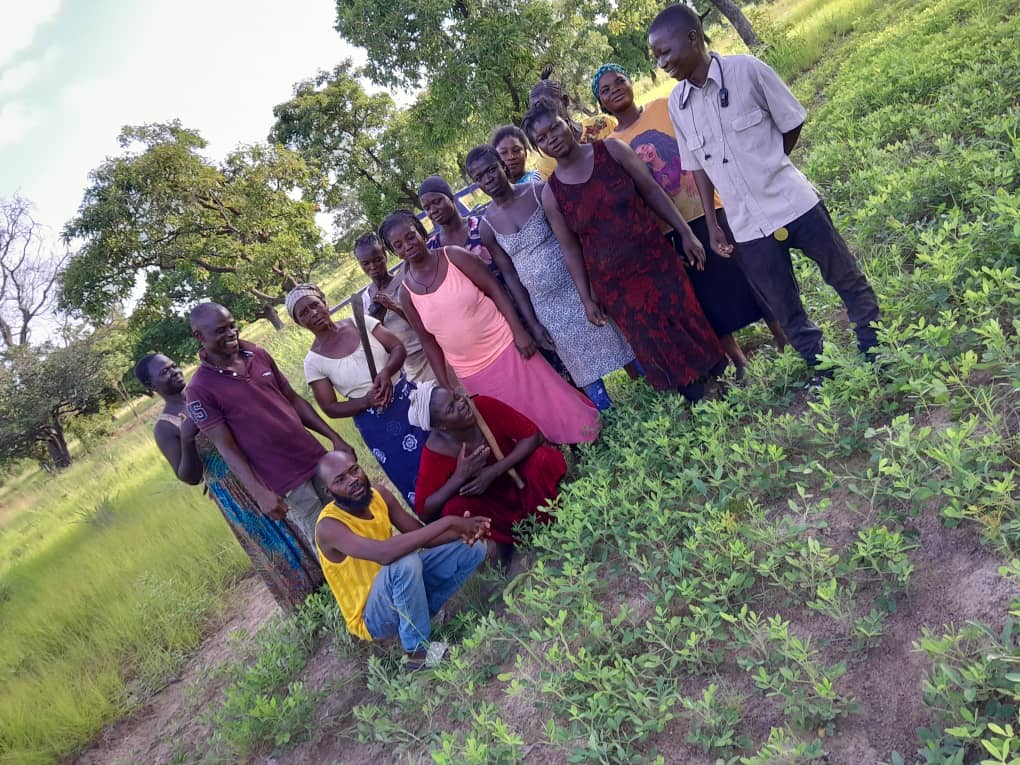
Our purpose
We believe environmental restoration is most effective when it responds to the everyday needs of the people who live and work on the land. Trees can restore ecosystems, but they can also protect farms, improve soils, support food production, reduce erosion, and create opportunity.
Our role is to bring people, practical knowledge, and restoration activities together. From reforestation and agroforestry to watershed care and environmental education, we help communities turn local environmental challenges into long-term action.
Our mission
Our mission is to support community-led restoration through tree planting, climate-smart agriculture, environmental learning, and practical stewardship of farms, forests, and water systems.
Why our work matters
Deforestation, declining soil health, erosion, and pressure on water sources can make it harder for rural communities to grow food and prepare for a changing climate. These issues are closely connected, so isolated solutions are rarely enough.
Green World Initiative approaches restoration as a shared investment in both ecosystems and people. By integrating trees with farms, restoring sensitive landscapes, and building local skills, projects can contribute to healthier land while supporting the communities that depend on it.
How we work
Our projects are designed to make restoration practical, locally relevant, and easier to sustain over time.
01
We begin by understanding the land, the people who depend on it, and the environmental challenges they want to address.
02
Projects use suitable native, fruit-bearing, and farm-friendly trees alongside land-care practices appropriate for each site.
03
Training, tools, and shared participation help communities build the knowledge needed to care for seedlings, crops, farms, and watersheds.
04
Monitoring helps teams learn, improve survival, replace seedlings where needed, and communicate results more clearly.
Our values
We want every activity to be useful to communities, grounded in care for the environment, and clear to the people who support it.
We work with farmers, youth, schools, and local leaders so each project reflects local priorities and can be cared for beyond the first planting day.
We connect tree planting with useful outcomes such as healthier soils, protected water sources, food production, shade, and stronger farm resilience.
Our approach includes training, monitoring, seedling care, and learning from results because meaningful restoration must continue after trees enter the ground.
We organize impact information by region and project so communities, supporters, and partners can better understand where work is happening and what it is achieving.
Our current reach
Regional reporting helps partners understand where activity is taking place and how project progress is distributed. The current dataset records activity in the following regions:
Collaboration can help extend restoration to more communities, strengthen training and monitoring, improve access to tools and planting materials, and make regional impact information more useful over time.