Our approach

What We Do

We combine ecological restoration, sustainable agriculture, and community stewardship to help Ghanaian landscapes and the people who depend on them become more resilient.

Farmers working together in a cultivated field

Connected solutions

Restoring land means working with the whole landscape

Trees, crops, soil, water, biodiversity, and livelihoods are closely connected. When one part of that system is under pressure, the effects can be felt across farms, communities, and local ecosystems.

Our work brings these connections into each project. We plant trees where they can serve the land and its people, support farming practices that protect natural resources, and equip communities to care for progress over time.

Our program areas

Practical action for healthier land and stronger communities

Each program area addresses a different part of the challenge, but they are designed to reinforce one another.

Reforestation and biodiversity

We restore degraded landscapes with native and useful tree species selected for local conditions and community priorities.

What we do

  • Identify suitable restoration sites and tree species
  • Organize community planting and seedling care
  • Monitor survival and replace seedlings where needed

What it supports

  • Healthier local ecosystems
  • Improved habitat and biodiversity
  • Greater community knowledge of tree care

Climate-smart agriculture

We help smallholder farmers integrate trees, soil care, and water-conscious practices into productive farming systems.

What we do

  • Introduce farm-friendly and fruit-bearing trees
  • Share practical soil and crop management methods
  • Support farmers with tools, guidance, and training

What it supports

  • More resilient farms
  • Improved soil protection and natural shade
  • Stronger local food security

Watershed and soil protection

We connect healthy farms with healthy water systems by reducing erosion and improving how landscapes retain water.

What we do

  • Plant near rivers, streams, and sensitive areas
  • Promote contour farming on sloped land
  • Engage communities in protecting water sources

What it supports

  • Reduced soil erosion
  • Improved water retention
  • More productive agricultural land

Environmental learning and local stewardship

We build the knowledge and shared responsibility needed for restoration work to continue after the first activity.

What we do

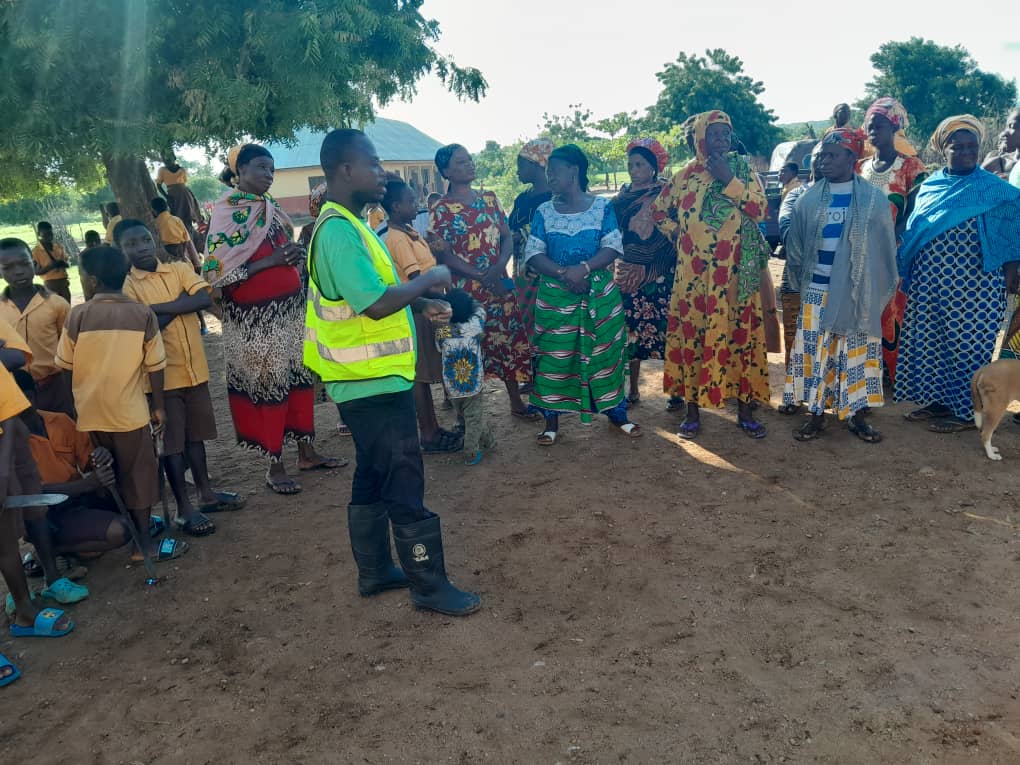
  • Work with farmers, youth, schools, and local leaders
  • Provide hands-on planting and land-care training
  • Encourage shared monitoring and long-term care

What it supports

  • Stronger local ownership
  • Practical environmental knowledge
  • More durable project results

From idea to long-term care

How a project moves forward

Restoration is not a single event. Our delivery cycle is designed to connect local priorities with practical action and continued learning.

01

Understand the landscape

We consider the condition of the land, the people who depend on it, and the environmental pressures a project should address.

02

Design with communities

Farmers, youth, schools, and local leaders help shape activities that are practical and relevant to their priorities.

03

Put restoration into action

Communities plant trees, apply land-care practices, and receive the tools and knowledge needed to participate effectively.

04

Monitor, learn, and improve

Follow-up checks help teams understand progress, respond to challenges, and strengthen future activities.

Current projects

Our approach in practice

These initiatives show how restoration can respond to different needs, from degraded land and smallholder farms to sensitive watershed areas.

Explore all projects
ReforestationBiodiversityYouth engagement

Trees for Tomorrow

Reforesting previously deforested areas with native tree species while training local youth and farmers to care for seedlings.

View project details
AgroforestryFood securitySoil health

Green Farms Initiative

Helping smallholder farmers combine crop farming with tree planting to improve yields, soil health, shade, and natural windbreaks.

View project details
WatershedsErosion controlSustainable farming

Agro-Watershed Revival

Using fruit trees, native plants, and contour farming near rivers and streams to reduce erosion and retain water.

View project details

What partnership can enable

Help practical restoration reach more communities

Partners can support planting materials, farmer and youth training, tools, project monitoring, environmental education, and the expansion of proven activities into new areas.

Looking for a clear view of our progress?

Explore the impact map to see reported regional figures, or contact Green World Initiative to discuss how your support can align with community and environmental priorities.